Denver’s winters swing hard and fast — a sunny 50-degree afternoon can drop into the single digits by midnight. Those swings are exactly what burst pipes love. A frozen pipe is the single most expensive winter emergency we get called about, and almost every one of them was preventable in an afternoon.
Protect the vulnerable pipes first
The pipes most likely to freeze are the ones farthest from your home’s heat: along exterior walls, in the crawl space, in the garage, and anything running through an uninsulated basement. Wrap them with foam pipe insulation or heat tape before the first hard freeze. It costs a few dollars a foot and it is the best insurance you can buy.
Disconnect the hoses
A garden hose left connected traps water in the spigot and the pipe behind it. When that freezes and expands, it can split the pipe inside your wall — and you won’t know until it thaws and floods. Disconnect and drain every hose, and consider frost-proof hose bibs if yours are older.
When a deep freeze is coming
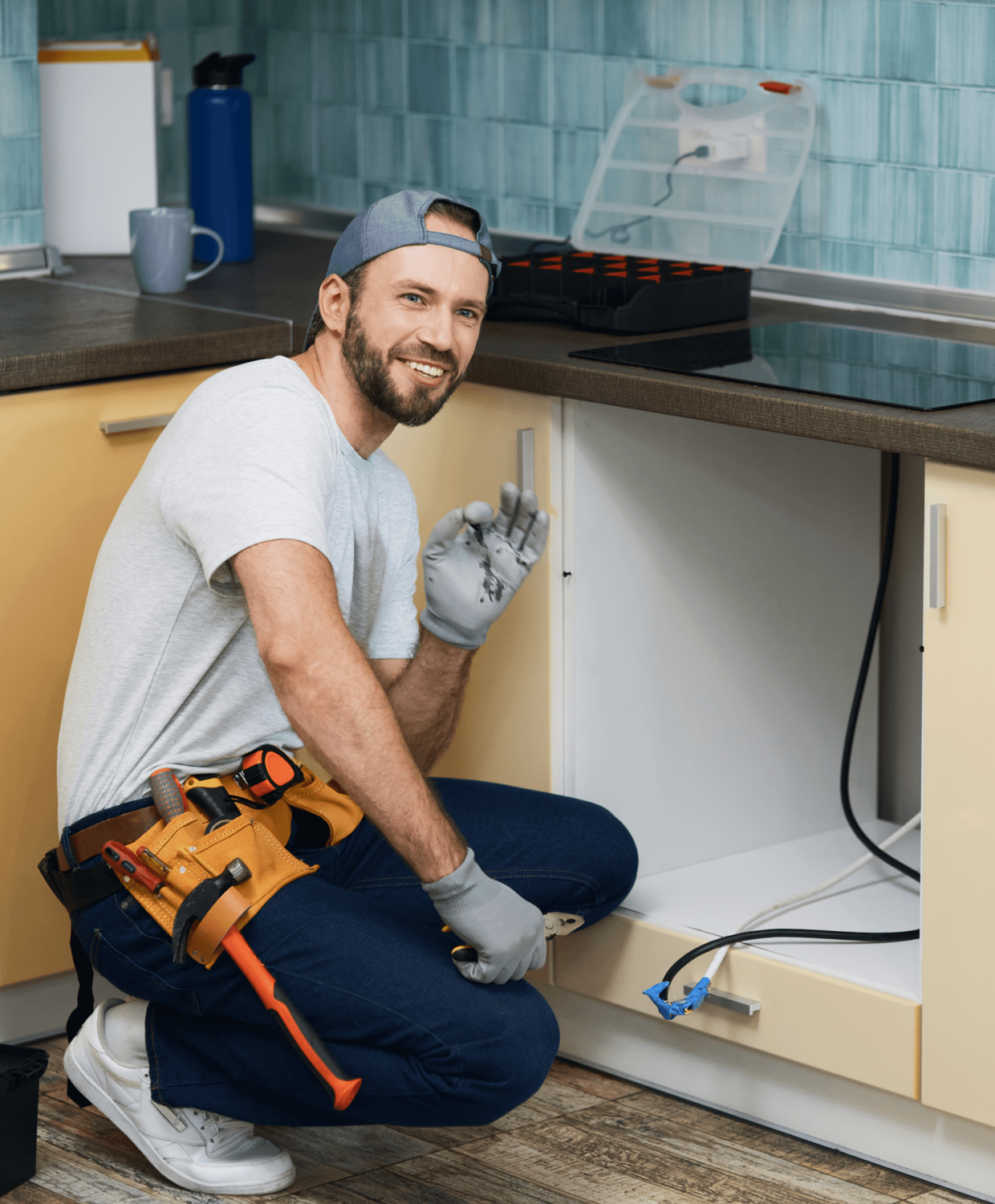
On the coldest nights, let a pencil-thin trickle run from a faucet on an exterior wall — moving water is far harder to freeze. Open the cabinet doors under sinks so household heat reaches the pipes, and keep the thermostat at a steady temperature day and night, even while you’re away.
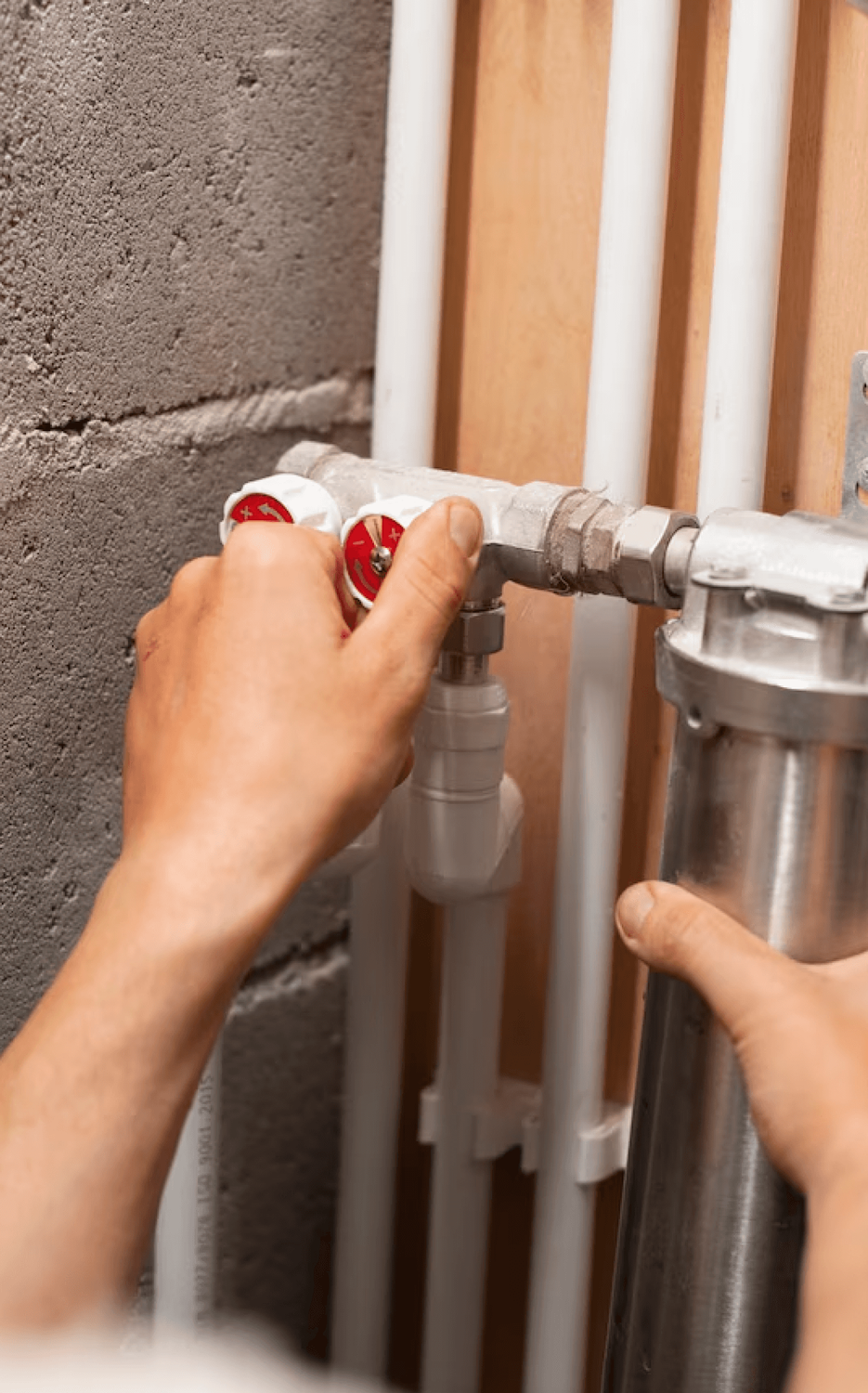
If a pipe does freeze, shut off your main water valve immediately and call us — catching it before it bursts is the difference between a quick thaw and a flooded basement. Beck Plumbing runs 24/7 all winter for exactly this reason.